






Neuroarchitecture: What do the Experts Say?
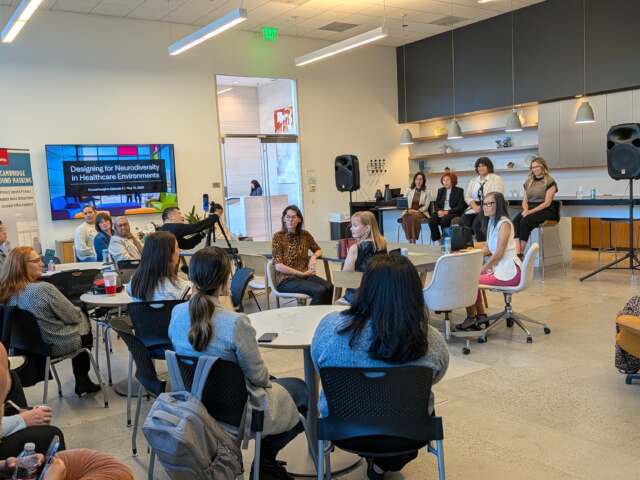
Recently, we hosted several experts in the field of neuroinclusive design in our Costa Mesa space for an interactive panel discussion.

We have long known that spaces have the power to inspire creativity, and support us as we work. As we learn more about the needs of the neurodiverse community, it is becoming clear that spaces also have the capacity to heal. Our eye-opening conversation with industry experts covered how we can manage sensory aspects of design to support patients as well as caregivers.
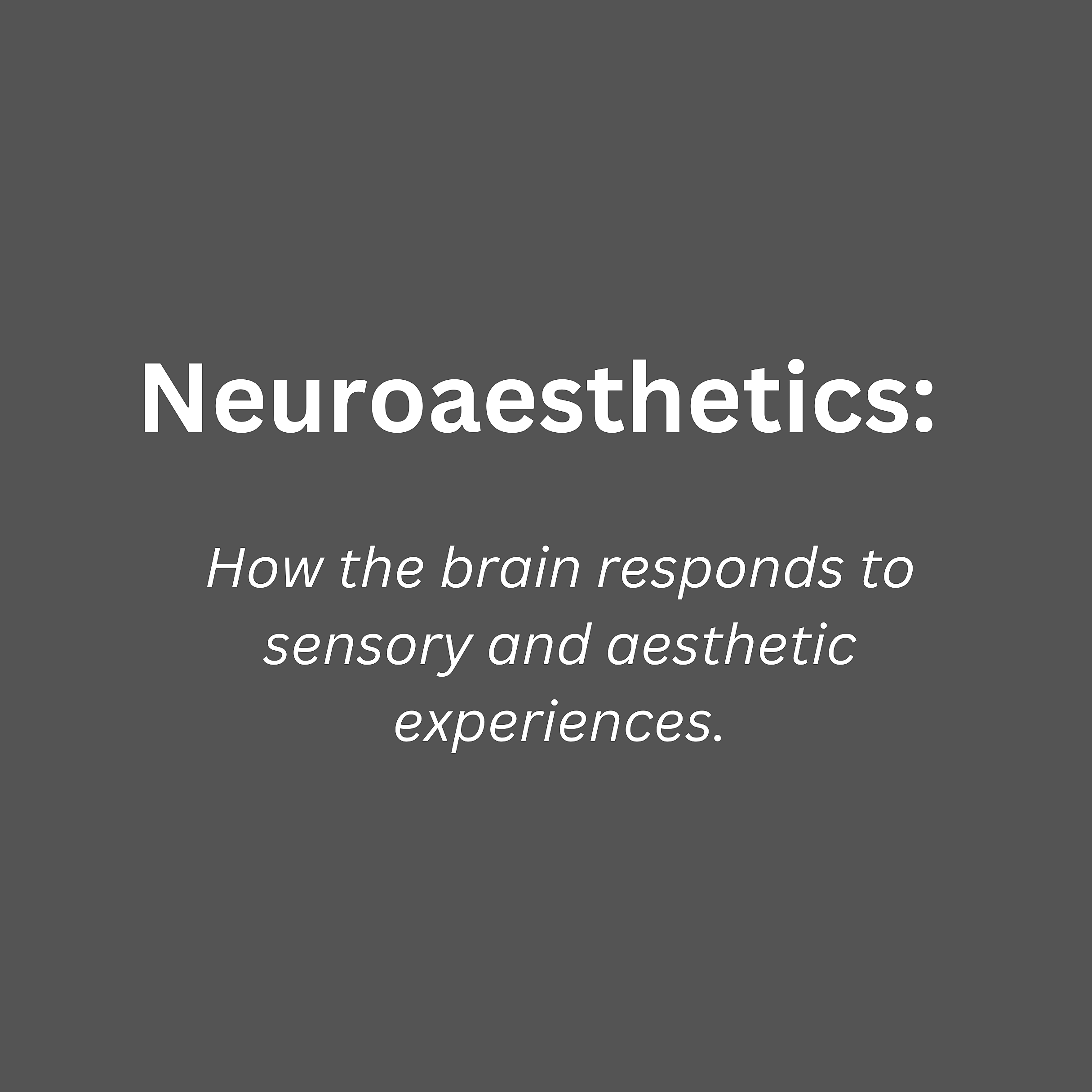
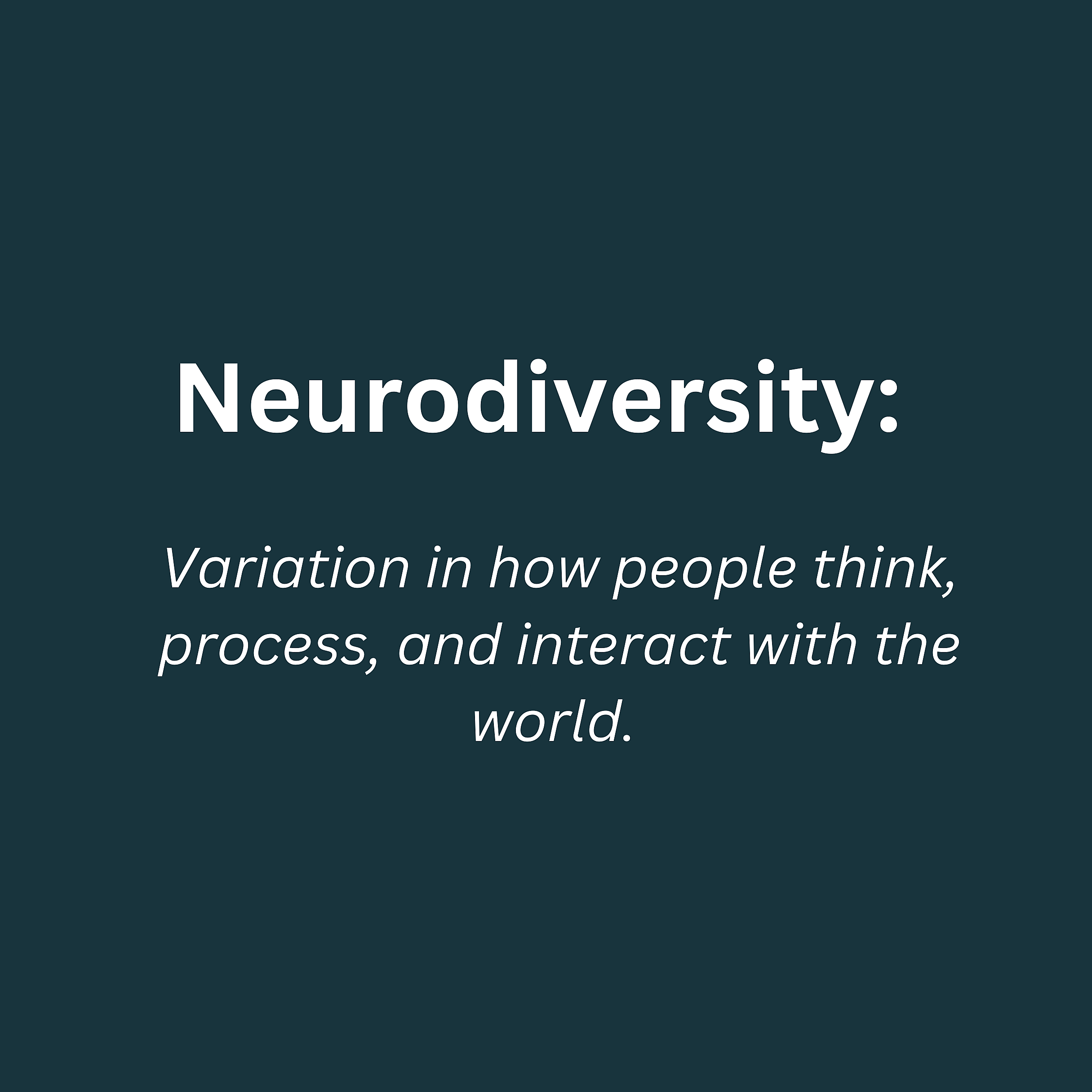
Swipe through for key definitions:
Neuroinclusive design benefits everyone, not just neurodivergent individuals
Designing for neurodiversity ultimately means designing for how all humans experience stress. Heightened sensory sensitivity is not limited to specific diagnoses. It is a universal response that emerges when people feel overwhelmed, something that becomes important in healthcare (or other) environments where stress is inherently high.
Our goal as designers is to reduce sensory overload and increase predictability, so that our design is truly inclusive and supports patients, caregivers, clinicians, and staff alike. It improves emotional regulation, communication, and performance, while also addressing larger challenges such as staff burnout and retention. Rather than being viewed as a specialized accommodation, neuroinclusive design should be understood as a baseline approach to creating better environments for everyone.
Sensory factors directly impact health and experience
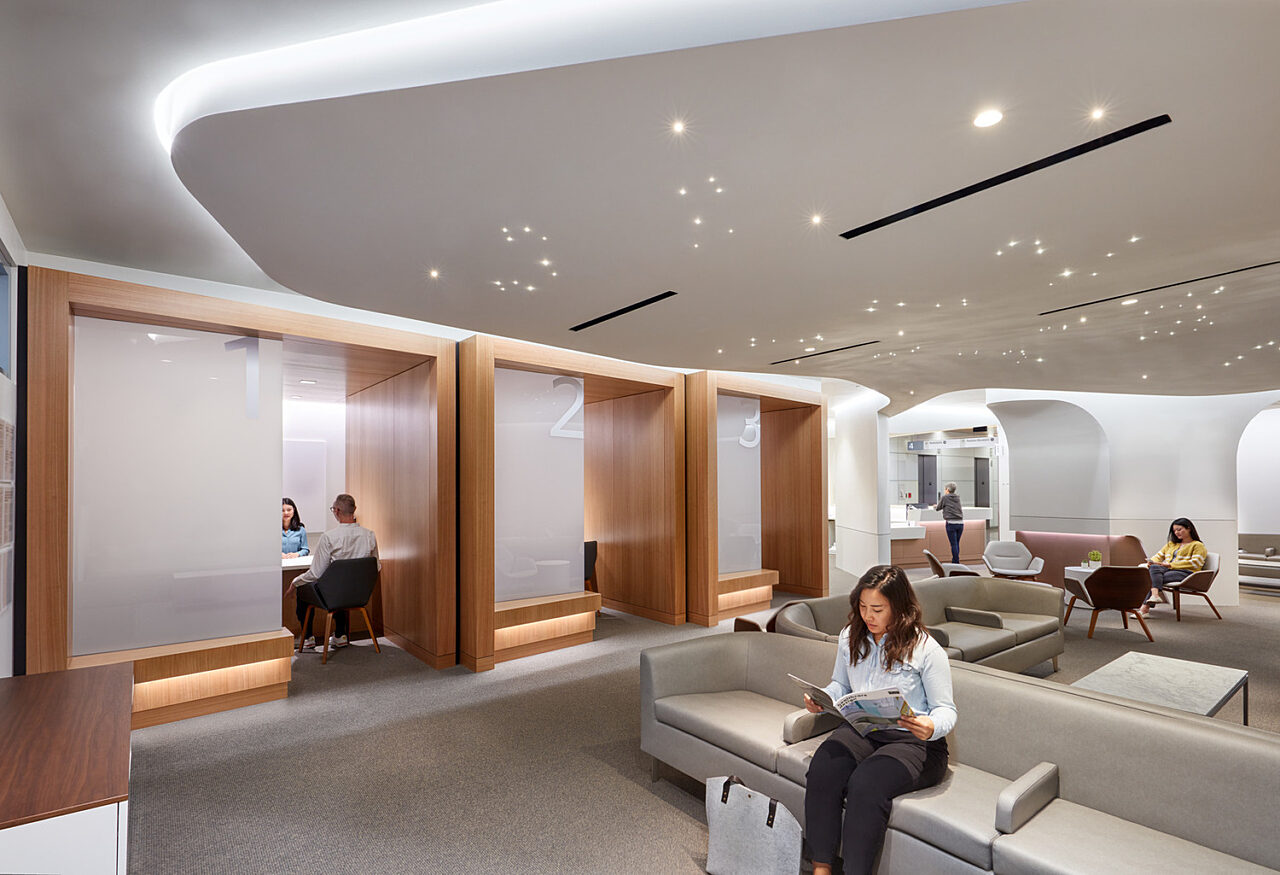
Healthcare environments are deeply sensory, and users are constantly processing layers of auditory, visual, spatial, and even olfactory input. Sounds like alarms, conversations, and overhead paging combine with lighting variations, visual clutter, and unfamiliar layouts –common in a healthcare space-shape how people feel and behave. These influences are immediate. People tend to form impressions within seconds of entering a space, and they directly affect stress levels, focus, and perception of care. To combat this, soft, natural colors, materials and balanced visual environments can promote calm and reassurance. While stark, cluttered, or overly clinical spaces can trigger tension and anxiety.
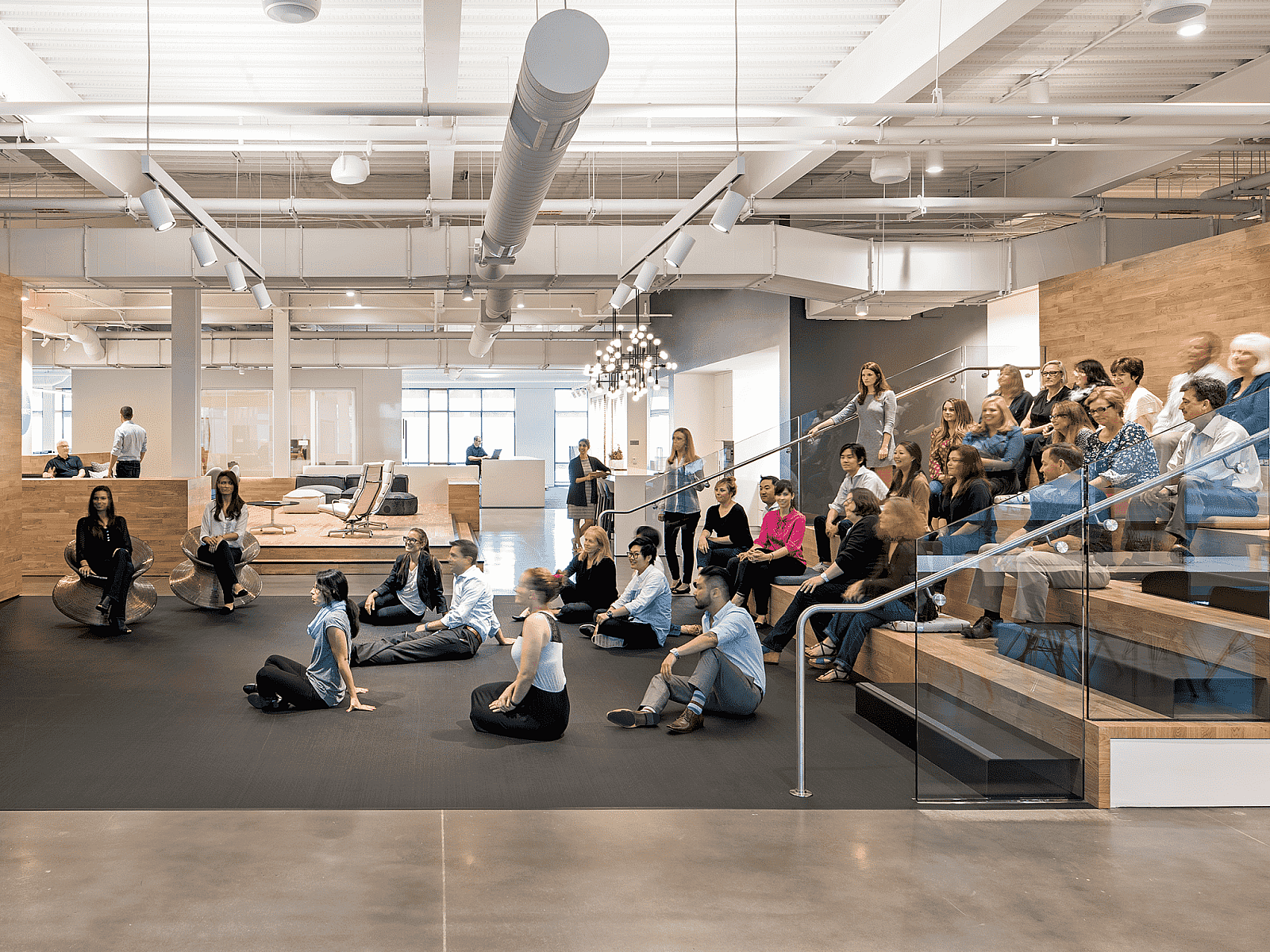
Many healthcare environments unintentionally create barriers through accumulated sensory stress and fragmented experiences. Layered noise from equipment and conversations, combined with frequent transitions between spaces, increase cognitive load and anxiety. Even well-intentioned design trends, such as large, open, hospitality-inspired spaces, can exacerbate the issue by amplifying sound and disorientation. These issues often go unnoticed because they are embedded in everyday operations, yet they significantly shape the overall experience.
Control and predictability are critical design principles
A sense of control is fundamental to well-being. When individuals can adjust their environment through lighting, sound, or temperature, or when they can easily understand what to expect next, their stress levels decrease significantly. Predictability in layouts, clear wayfinding, and consistent visual cues all contribute to this sense of stability. Pre-arrival information, such as maps or instructions, can further reduce uncertainty before a clinical visit even begins. Without this control, individuals often shift their focus toward managing their own discomfort instead of engaging with caregivers, which can impact both outcomes and communication. Emerging design approaches aim to address this, including tunable environments and adaptive technologies to expand the ability to personalize spaces and create a more responsive healthcare experience.
Small design changes can have high impact
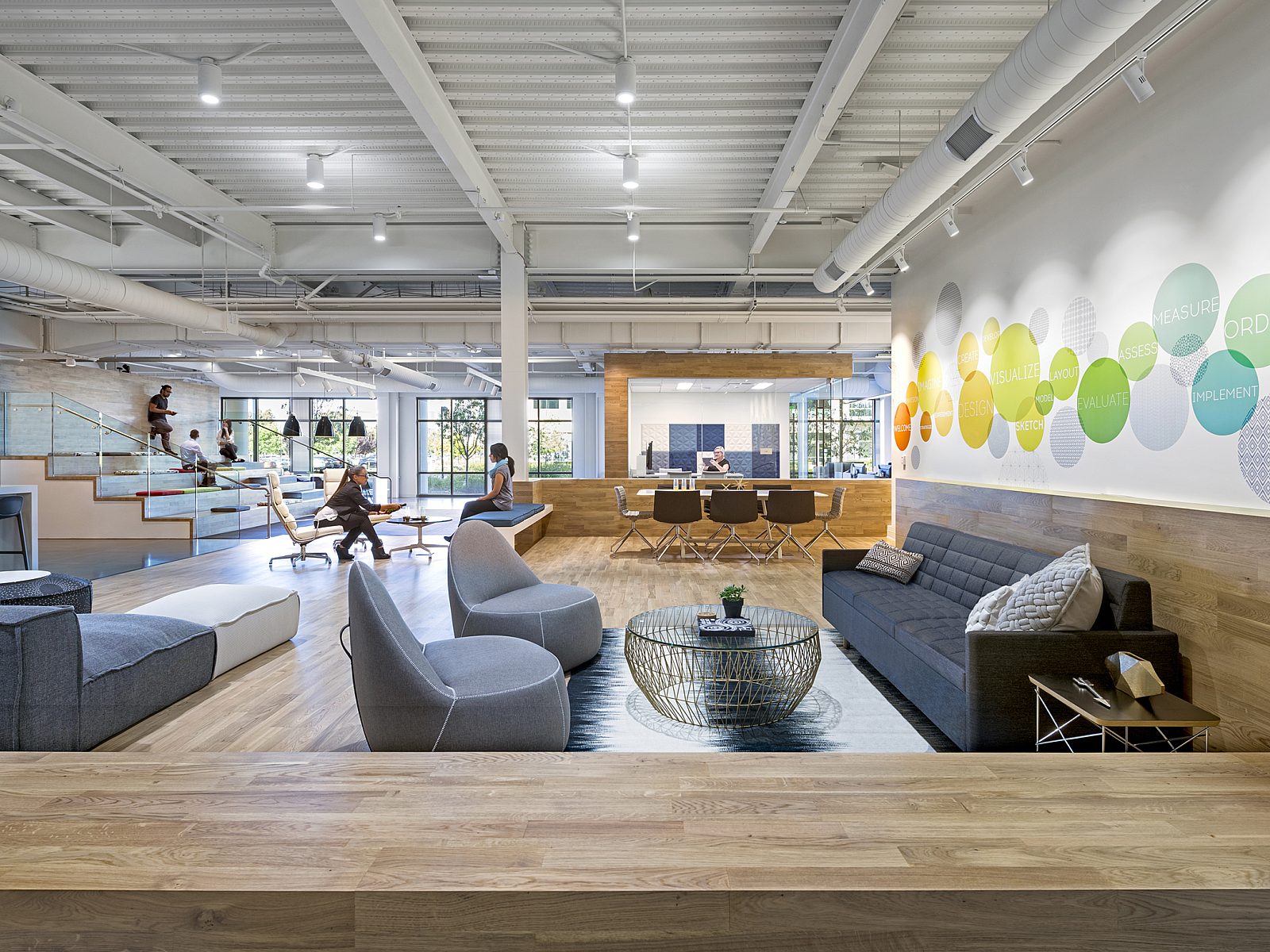
One of the most practical takeaways is that meaningful improvements do not always require major renovations. Simple, strategic interventions can greatly enhance the healthcare experience. Upgrading lighting systems to more natural, adjustable options can immediately improve comfort, while reducing visual clutter simplifies how people process their surroundings. Thoughtful color strategies and the integration of artwork or nature-inspired elements can soften clinical environments and create a more calming atmosphere. Clear communication about processes and expectations helps reduce uncertainty, while improving spatial flow makes navigation more intuitive. These incremental changes can lower cognitive load, improve perceptions of care, and support both patients and staff. Ultimately, the discussion reinforced that intentional design decisions, grounded in an understanding of human experience, can produce significant impact even at a small scale.